 achim
achimPeel and stick floors live or die by the groundwork
The planks and tiles themselves take an afternoon. Whether they still hug the floor in a year is decided before the first backing comes off.
Clean means cleaner than you think
Adhesive holds onto the surface it meets, and if that surface is a film of dust, it holds onto dust. Sweep, then wash, then let the floor dry completely. Skip oil soaps and anything that leaves a shine, because the residue is a release layer for the glue.
Flat and sound beats pretty
Vinyl planks telegraph whatever is under them. A tile edge, a dip, a proud nail head all reappear in the new surface within weeks. Fill gouges, sand ridges, screw down squeaks. Existing sheet vinyl or smooth concrete makes a fine base. Cushioned flooring and bare unsealed wood do not.
Let the boxes live in the room first
Vinyl moves with temperature. Leave the unopened boxes in the room where they will be laid for 48 hours so the planks arrive at the same size they will live at. A plank laid cold and warmed later grows into its neighbors, and the seams show it.
- Bring boxes into the room two days ahead.
- Keep the room in its normal range, not a cold garage.
- Lay out a dry run of the first two rows before peeling anything.
- Start from the straightest wall, not necessarily the longest one.
Press, do not just place
The bond is pressure activated, so the difference between set down and installed is force. Work each plank with a hand roller or a rolling pin from the middle outward, and walk the whole floor when it is done. The corners you skip are the corners that curl.
Pulled from the shelf for this note
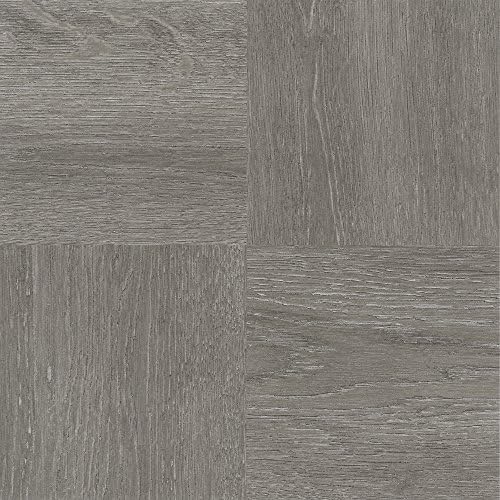
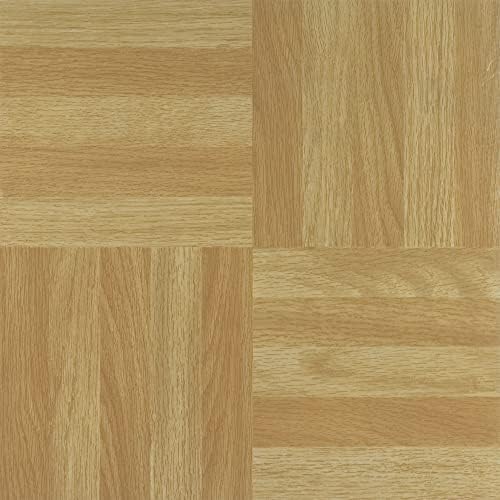
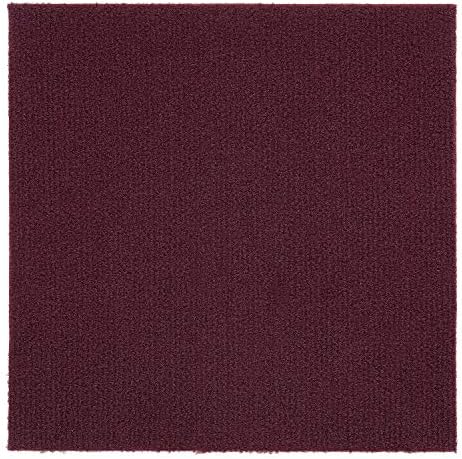

Prices were noted when we last walked the retail shelf and drift with the seasons; the live figure is on the retail partner’s page.
Different wall in mind? The window matcher re-sorts the catalog around yours.