 achim
achimHang the rod high and wide, and the room grows
The cheapest upgrade in the house is moving the same curtains up and out. No new fabric, just better geometry.
Higher than the frame, most of the way to the ceiling
Mounting the rod a hand-span above the window frame, or two thirds of the way to the ceiling in a tall room, draws the eye up and makes the window read taller than it is. Rod height is measured to the top of the pocket or ring, so add the drop of your header style before drilling.
Wider than the frame, so the glass stays clear
Run the rod six to twelve inches past the frame on each side. Open, the panels then stack against the wall instead of over the glass, and the window keeps every inch of its light. This is also how a modest window borrows width it never had.
The header changes the hang
A rod pocket gathers snugly and suits stationary panels you rarely slide, which is how nearly everything we cut is headed. Grommets and tab tops glide more freely, though those come from other makers rather than our shelf. When a rod pocket panel does need to travel, pin-on or slip-in hooks convert it to a pleated heading that rides rings instead.
Weight the hardware honestly
A single semi sheer asks almost nothing of its brackets. Two heavy printed panels on a six foot span do. Match the rod diameter to the span, add a center bracket past 48 inches, and put screws into studs or proper anchors, because a rod that sags in the middle undoes every other decision on this page.
- Under 48 inches: two brackets, most rods fine.
- 48 to 84 inches: center support bracket, thicker rod.
- Past 84 inches: heavy-duty rod and a bracket every three feet.
Pulled from the shelf for this note
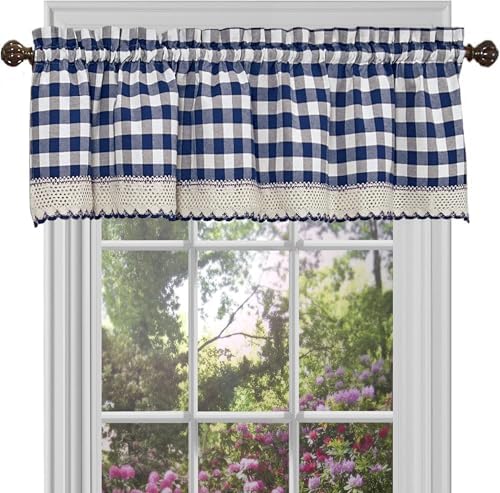
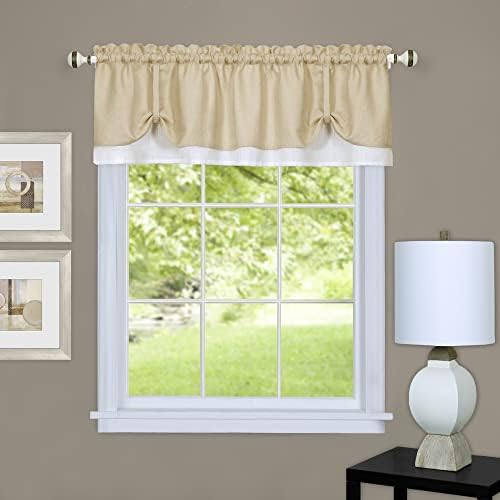
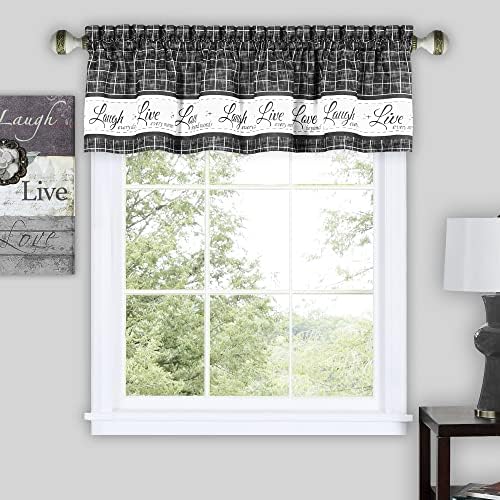
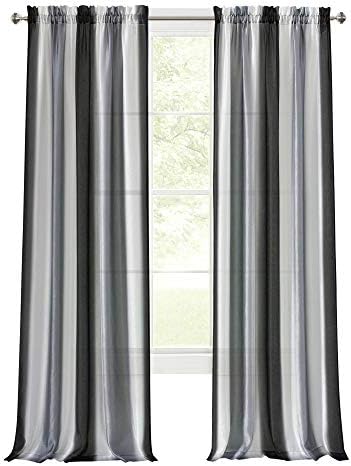
Prices were noted when we last walked the retail shelf and drift with the seasons; the live figure is on the retail partner’s page.
Different wall in mind? The window matcher re-sorts the catalog around yours.